
Embryo Transfer: A Precise Step in IVF Treatment
Embryo transfer is a precise and delicate procedure that forms the cornerstone of successful in vitro fertilization (IVF). At Aakash Fertility Centre and Hospital, one of the leading IVF centers in Chennai, this procedure is carried out with meticulous attention to detail. The process involves transferring embryos from the laboratory into the uterus of a woman with the aim of achieving pregnancy, making it an integral and highly specialized step in assisted reproductive treatment.
The success of IVF depends on several factors. These include the quality and developmental stage of the embryos, the age and reproductive health of the woman, the underlying cause of infertility, and most importantly, the expertise of the fertility specialist performing the procedure. At Aakash Fertility Centre and Hospital, esteemed IVF experts Dr. Jeyarani Kamaraj and Dr. Niveditha Kamaraj ensure that every patient receives personalized care and the highest standard of medical attention.
The Procedure
The actual embryo transfer is typically a simple outpatient procedure that generally does not require anesthesia. A slender, flexible catheter is carefully inserted into the uterus through the cervix, allowing precise placement of the embryos into the uterine cavity. At Aakash Fertility Centre and Hospital, esteemed specialists Dr. Jeyarani Kamaraj and Dr. Niveditha Kamaraj ensure every step is performed with the highest level of expertise and care.
Step-by-Step Process
Embryo transfer usually occurs 2–5 days after egg retrieval, giving embryos time to develop optimally in the laboratory. Depending on the specific protocol, anesthesia may be administered before the procedure to ensure patient comfort. Once ready, a thin catheter is introduced into the uterus through the cervix, and the embryos are gently released into the uterine environment. After completion, patients are advised to rest on their back for 15–30 minutes to minimize the risk of embryo displacement.
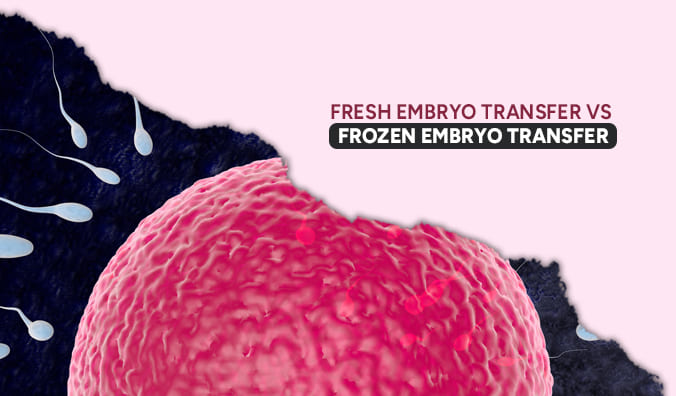
Comparing Fresh and Frozen Embryo Transfers: Which Is Right for You?
Before proceeding, it’s important to understand the differences between fresh and frozen embryo transfers, as well as which method might be better suited to an individual patient’s needs.
Fresh Embryo Transfer
A fresh transfer is usually performed five days after egg retrieval. In the laboratory, eggs are fertilized with sperm, and the resulting embryos are carefully monitored for development. The main advantage of a fresh transfer is its shorter timeline, as the embryo is placed into the uterus almost immediately after fertilization, reducing the waiting period for conception.
Frozen Embryo Transfer
A frozen embryo transfer (FET) is typically scheduled 6–8 weeks after freezing, with medications administered to simulate a natural menstrual cycle. The timing of the procedure is aligned with the patient’s cycle to maximize implantation chances.
FET is particularly useful when genetic evaluation is required. Through preimplantation genetic testing (PGT), a small biopsy of the embryo’s DNA is examined for chromosomal or genetic abnormalities. Only genetically normal embryos are then selected for transfer, significantly improving the likelihood of pregnancy.
The flexibility of frozen embryos also allows patients to preserve fertility for future use, whether for subsequent pregnancies or in cases such as cancer treatment or delayed family planning. Embryos can remain stored indefinitely, with transfer performed when the patient is ready.
Choosing the Right Option
Current research indicates that success rates for fresh and frozen transfers are comparable, with some studies suggesting that frozen transfers may even have slightly higher success rates. This highlights the importance of consulting a qualified IVF specialist to determine the most suitable approach for your individual circumstances.
For couples ready to embark on their fertility journey, understanding both fresh and frozen transfer options is essential. Aakash Fertility Centre and Hospital, recognized as the top infertility hospital in Chennai, provides expert guidance and comprehensive care to help patients achieve successful outcomes. Book your consultation today to discuss the best strategy tailored to your needs.
No comment yet, add your voice below!