
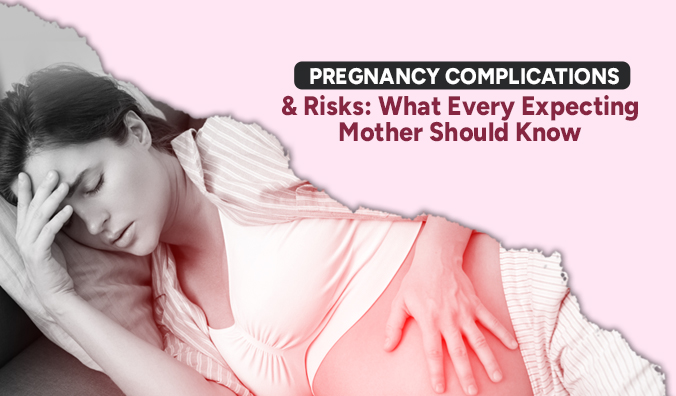
Pregnancy can be a beautiful journey.
But it can also feel uncertain.
Some days you feel excited. Other days you feel worried. Sometimes, both emotions exist at the same time—and that’s completely normal.
Learning about pregnancy complications isn’t about creating fear.
It’s about awareness.
It’s about knowing when to pause, when to ask questions, and when to seek help.
When a mother understands her body and receives the right medical care, many pregnancy risks can be identified early and managed safely.
What a High-Risk Pregnancy Really Means
The term high-risk pregnancy can sound frightening at first, but it doesn’t mean something bad will happen.
It simply means your pregnancy needs closer monitoring.
This may be due to age, a pre-existing health condition, or something noticed during routine checkups. Doctors use this term so they can give you and your baby extra attention and care.
Many women with high-risk pregnancies go on to have healthy deliveries.
Extra care is not a warning—it’s protection.
Serious Complications That Need Quick Attention
Some pregnancy complications require immediate medical care—not because they always become dangerous, but because they can if left untreated.
These include:
- Severe vaginal bleeding
- Very high blood pressure
- Serious infections
- Blood clots
- Uncontrolled blood sugar levels
Not all complications cause pain or obvious symptoms at first. That’s why regular prenatal checkups are so important. They help identify concerns early, before they become serious.
Early care truly saves lives.
Gestational Diabetes: A Common but Manageable Condition
Gestational diabetes often comes as a surprise. Many women diagnosed with it have never experienced blood sugar problems before pregnancy.
It develops because pregnancy hormones affect how the body processes sugar.
With the right support, most women manage gestational diabetes successfully through:
- Balanced, healthy meals
- Gentle physical activity
- Regular blood sugar monitoring
- Ongoing medical guidance
In most cases, blood sugar levels return to normal after childbirth. This condition needs attention, but it does not mean you’ve done anything wrong.
High Blood Pressure and Preeclampsia
Blood pressure issues often appear in the later stages of pregnancy.
Warning signs may include:
- Unusual or sudden swelling
- Persistent headaches
- Blurred vision
- A strong feeling that something isn’t right
These symptoms should never be ignored. When detected early, doctors can take steps to reduce risks and protect both mother and baby.
Your concerns matter. Always speak up.
Challenges That Can Appear in the Third Trimester
The final months of pregnancy can feel physically and emotionally heavy. Your body is working harder than ever before.
Some women experience increased swelling, rising blood pressure, or changes in their baby’s movements. Others may notice early signs of labor.
Regular third-trimester checkups allow doctors to monitor these changes closely and plan for a safe delivery.
You don’t have to navigate this stage alone.
Understanding Preterm Labor
Preterm labor begins earlier than expected and should always be taken seriously.
Possible signs include:
- Frequent tightening or contractions
- Pelvic pressure
- Persistent lower back pain
If something feels unusual, it’s always okay to seek medical care. Early treatment can sometimes delay labor and improve outcomes for the baby.
Trust your instincts—they are important.
Care After Birth Matters Too
Healing doesn’t end once the baby is born.
Symptoms that need medical attention include:
- Heavy bleeding
- Fever
- Breathing difficulties
- Intense sadness, anxiety, or emotional numbness
These are not signs of weakness. They are signals that support is needed. Postpartum care is just as important as prenatal care, and recovery takes time—both physically and emotionally.
You deserve care even after delivery.
Choosing the Right Hospital for Delivery
Knowing where you will deliver your baby can bring peace of mind.
A well-equipped hospital with experienced doctors, neonatal care, and emergency support can make a critical difference if unexpected situations arise.
Planning ahead helps reduce stress and increases confidence as your due date approaches.
Final Thoughts
Pregnancy risks can feel overwhelming—but knowledge brings calm.
Regular checkups,Noticing changes in your body, Asking questions, Choosing reliable medical care.
These steps help protect both mother and baby.
You are not expected to know everything.
You are expected to listen to your body.
No comment yet, add your voice below!