
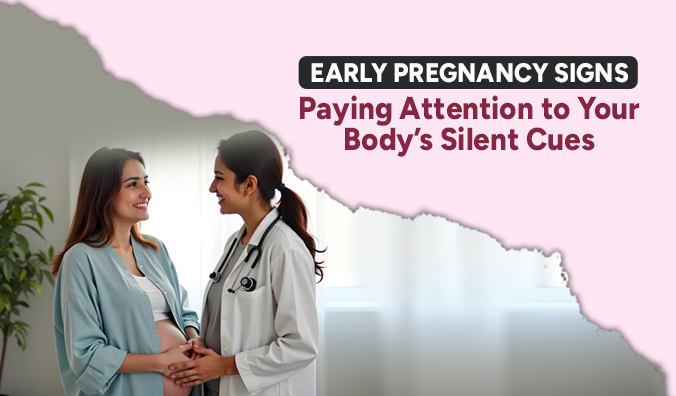
Pregnancy rarely announces itself loudly at the beginning.
Instead, it starts with quiet changes—small physical or emotional shifts that may feel easy to dismiss. Something feels different, but you can’t quite explain why.
Early pregnancy can feel confusing, emotional, and sometimes unexpected. Many women notice changes in their bodies before a test confirms pregnancy. Understanding these early signs can help you feel calmer, more prepared, and more connected to what your body is trying to tell you during this uncertain phase.
Very Early Pregnancy Symptoms (Around One Week)
During the first week of pregnancy, symptoms are often difficult to recognize. They tend to be subtle and easy to overlook.
You may notice:
- Unusual tiredness
- Mild bloating
- Increased emotional sensitivity
Some women experience light spotting known as implantation bleeding when the fertilized egg attaches to the uterus. This spotting is usually lighter than a regular period and can be mistaken for normal cycle changes.
At this stage, most symptoms feel familiar, and many women assume their period is about to start.
How You Might Feel During the First 72 Hours After Conception
In the first 72 hours after conception, most changes happen quietly inside your body. Hormonal shifts begin even if nothing seems different on the outside.
You might experience:
- Mild cramping
- Breast tenderness
- Low energy or fatigue
These sensations are often brief and easy to ignore. It’s also completely normal to feel no symptoms at all during this time. Everybody responds differently.
Early Pregnancy Symptoms at Two Weeks
By the second week, your body may start sending clearer signals. A missed period is often the first sign that raises questions.
Other early pregnancy symptoms at two weeks may include:
- Nausea or mild morning sickness
- Frequent urination
- Sudden food aversions
Emotional changes may also feel stronger. You might notice mood swings, irritability, or increased sensitivity without a clear reason. These reactions occur as pregnancy hormones continue to rise.
There’s no single “right” way to feel—each pregnancy experience is unique.
Changes You May Notice in the First Month of Pregnancy
During the first month of pregnancy, symptoms often become more noticeable.
Common first-month pregnancy symptoms include:
- Nausea or vomiting
- Extreme fatigue
- Breast tenderness or swelling
- Changes in appetite
Even simple daily activities may feel more tiring than usual. Some women also experience mild abdominal cramping as the uterus begins to grow and adjust. These sensations are typically gentle and short-lived.
Others may feel very few symptoms—or none at all. Both experiences are completely normal.
Unexpected and Hidden Signs of Early Pregnancy
Not all early pregnancy symptoms are obvious.
Some lesser-known or hidden signs of pregnancy include:
- Constipation
- Nasal congestion
- Dizziness or light-headedness
- A metallic taste in the mouth
- Heightened sensitivity to smells
These symptoms are linked to hormonal changes and increased blood flow. For some women, these subtle signs appear even before nausea or a missed period, making early pregnancy harder to recognize.
Early Pregnancy Abdominal Pain and Stomach Ache
Experiencing abdominal discomfort in early pregnancy can be worrying, but mild sensations are often normal.
Stretching, pulling, or light cramping can occur as the uterus begins to expand and the surrounding ligaments adjust. These feelings may come and go and are usually harmless.
However, severe, persistent pain or pain accompanied by heavy bleeding should always be checked by a healthcare professional. Trust your instincts—if something feels wrong, seek medical advice.
Final Thoughts
Every woman experiences early pregnancy differently. Some bodies speak loudly, while others whisper.
From very early pregnancy signs in the first week to noticeable first-month symptoms, your body may send subtle or clear signals. Recognizing these changes—whether emotional shifts, hidden symptoms, or mild abdominal discomfort—can bring reassurance during a time of uncertainty.
Listen to your body. Be gentle with yourself. And when in doubt, talk to your doctor.
Every pregnancy begins quietly—but every beginning matters.
No comment yet, add your voice below!