
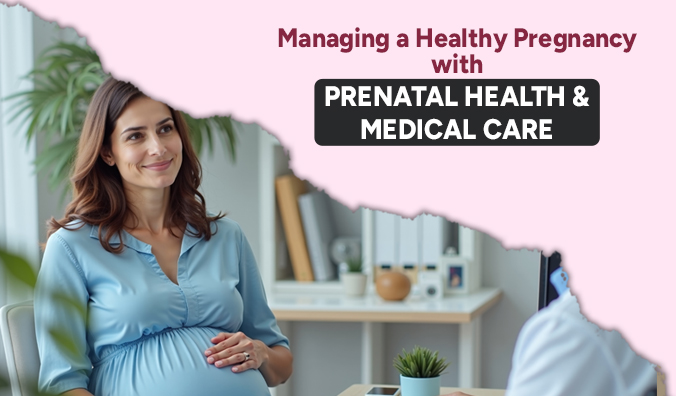
Pregnancy is a time of profound change. Your body adapts, your thoughts evolve, and your priorities begin to shift. It’s not just a medical phase—it’s a deeply personal journey filled with hope, excitement, questions, and sometimes uncertainty.
From the moment you start thinking about parenthood, your health becomes closely tied to your baby’s future. Prenatal health and medical care play a crucial role in supporting both mother and child, offering safety, reassurance, and guidance at every step.
Why Prenatal Health Care Matters
Prenatal care does more than monitor pregnancy—it nurtures confidence and emotional well-being. Regular medical support helps prevent complications, but it also provides comfort during moments of doubt and reassurance when things feel overwhelming.
Quality prenatal care allows expecting mothers to feel informed, supported, and empowered throughout their pregnancy journey.
The Importance of Pre-Pregnancy Care
A healthy pregnancy often begins before conception. Preparing your body in advance can make a meaningful difference in your baby’s development.
Simple lifestyle choices such as eating nutritious meals, getting adequate sleep, staying physically active, and managing stress help create a strong foundation. For women with existing conditions like diabetes, thyroid disorders, or high blood pressure, early medical management is essential to reduce pregnancy-related risks.
Doctors also advise avoiding smoking, alcohol, and harmful substances well before trying to conceive. Pre-pregnancy care often includes folic acid supplementation, reviewing medications, correcting vitamin deficiencies, and ensuring vaccinations are up to date. Together, these steps help support a smoother pregnancy.
Understanding the True Role of Prenatal Care
Once pregnancy begins, regular prenatal checkups become an important part of your routine. These visits are designed to support—not overwhelm—you.
Prenatal appointments help monitor your baby’s growth, track changes in your body, and detect potential concerns early. They also offer space for open conversations about nutrition, sleep, physical activity, emotional health, and common pregnancy symptoms.
Prenatal care isn’t just about tests and reports—it’s about feeling heard, reassured, and cared for.
Ultrasounds and Blood Tests: What They Really Mean
Blood tests and ultrasounds are essential tools in prenatal care, offering valuable insight into both maternal and fetal health.
Blood tests assess iron levels, hormones, blood type, and screen for infections, helping doctors ensure your body is coping well with pregnancy. Ultrasounds, on the other hand, provide visual confirmation of your baby’s growth and development.
For many parents, ultrasounds are emotional milestones—the first heartbeat, the first image, and the moment pregnancy truly feels real. Beyond medical information, these tests offer reassurance and connection.
The Role of Prenatal Vitamins and Supplements
Pregnancy increases your body’s nutritional needs. Prenatal vitamins help bridge gaps when diet alone may not be enough.
Key nutrients such as folic acid, iron, calcium, and vitamin D support your baby’s growth while helping maintain your energy and overall health. Your doctor may recommend specific supplements based on your individual needs, especially if you have anemia or dietary restrictions.
Consistent daily intake may seem small, but it plays a powerful role in healthy pregnancy outcomes.
Vaccinations During Pregnancy: Protecting Two Lives
Vaccinations during pregnancy help protect both mother and baby from serious infections. Certain vaccines reduce pregnancy-related risks and pass protective antibodies to your baby, offering early immunity after birth.
Doctors follow strict safety guidelines, recommending only vaccines proven safe at the appropriate stages of pregnancy. This protection continues beyond delivery, safeguarding your newborn during their earliest days.
How ACOG Guidelines Support Healthy Pregnancies
The American College of Obstetricians and Gynecologists (ACOG) provides trusted prenatal care guidelines used worldwide.
Their recommendations emphasize early and regular prenatal visits, balanced nutrition, mental health support, and personalized care tailored to each woman’s needs. The goal extends beyond a healthy baby—it focuses on supporting confident, informed, and emotionally supported mothers.
Preparing for Pregnancy: ACOG’s Recommendations
Whenever possible, ACOG encourages women to focus on health before pregnancy. Preconception counseling, maintaining an active lifestyle, managing existing medical conditions, and following a nutritious diet can significantly reduce complications.
While preparation cannot eliminate all uncertainty, it helps replace fear with confidence and readiness.
Building a Healthy Pregnancy Step by Step
A healthy pregnancy develops gradually through consistent care and informed choices.
Regular checkups, timely screenings, open communication with healthcare providers, balanced nutrition, and emotional support all work together to support both physical and mental well-being.
Each small step contributes to a stronger, healthier pregnancy experience.
Final Thoughts
Prenatal health and medical care are not simply tasks to complete—they are acts of care for both you and your baby.
Whether you are planning a pregnancy or already expecting, regular medical visits, screenings, supplements, and vaccinations help ensure the best possible start for your child.
With the right support, pregnancy doesn’t have to feel overwhelming. It can feel steady, supported, and filled with hope.
No comment yet, add your voice below!