
IN Vitro Fertilization
Hope Healing Happiness
in Fertility Care
Intrauterine Insemination (IUI) is a type of fertility treatment where specially prepared sperm is placed directly into a woman’s uterus using a thin catheter.
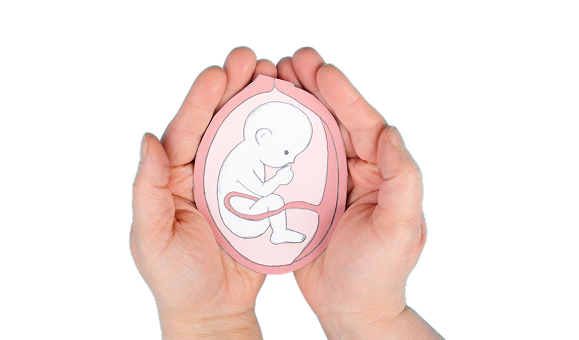
IN Vitro Fertilization
What is in Vitro Fertilization (IVF) ?
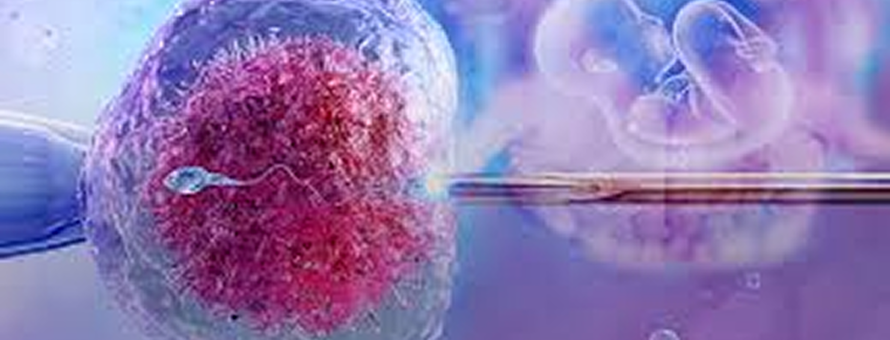
In Vitro Fertilization (IVF) is a type of assisted reproductive technology (ART) where an egg is removed from a woman’s ovary, fertilized with sperm outside the body in a laboratory (literally “in glass”), and the resulting embryo is transferred back into the uterus to establish a pregnancy.

When to Consider IVF
IVF is usually done when simpler treatments (like medicines or IUI) don’t work. You may need IVF if:
- Blocked / Damaged Fallopian Tubes – eggs and sperm can’t meet naturally.
- Severe Male Infertility – very low sperm count or poor sperm quality.
- Endometriosis – moderate to severe cases affecting fertility.
- Ovulation Problems – when medicines don’t help you release eggs.
- Unexplained Infertility – when no cause is found after years of trying.
- Genetic Conditions – to test embryos and prevent passing on diseases.
- Age Factor – women over 35 or with low egg reserve.
- Failed Other Treatments – if IUI or medications haven’t worked.
In short: IVF is considered when natural conception isn’t possible or other fertility treatments fail.
Types of IVF Treatment
Conventional (Stimulated) IVF
- Ovaries are stimulated with medication to produce multiple eggs for retrieval.
Natural Cycle IVF
- No stimulation drugs; uses the naturally selected egg.
Mild or Modified IVF
- Uses lower doses of stimulation drugs to retrieve fewer eggs, aiming for safer, more cost-effective treatment.
Advanced Variants and Add-ons
- Intracytoplasmic Sperm Injection (ICSI) : A single sperm is injected into the egg, especially useful in male-factor infertility.
- Intracytoplasmic Morphologically Selected Sperm Injection (IMSI) : High-magnification selection of optimal sperm for injection.
- Cryopreservation : Freezing embryos (or eggs/sperm) for later use.
- Pre-implantation Genetic Diagnosis (PGD)/Screening (PGS) : Screens embryos for genetic disorders before transfer.
Step Process
IVF Procedure Explained
Step 1 : Ovarian Stimulation
- Normally, a woman releases just one egg per month.
- In IVF, the goal is to have multiple eggs so there are more chances of success.
- The woman is given hormonal injections (FSH/LH-like medicines) for 8–14 days to help the ovaries grow several follicles (fluid-filled sacs containing eggs).
- Monitoring is done with ultrasounds and blood tests to check follicle growth.
Step 2 : Egg Retrieval (Ovum Pick-Up)
- When the follicles are mature (about 18–20 mm), an injection of hCG (trigger shot) is given to finalize egg development.
- 36 hours later, the eggs are collected.
- The doctor uses a thin needle under ultrasound guidance, inserted through the vagina into the ovary to gently suction out the eggs.
- This is done under light sedation or anesthesia — not painful, but some mild cramping may occur after.
Step 3 : Sperm Collection
- On the same day, a semen sample is collected from the male partner.
- If needed, sperm can be obtained through surgical techniques (TESA, PESA) or donor sperm can be used.
- The sperm is then washed and prepared in the lab so only the healthiest ones are selected.
Step 4 : Fertilization
There are two main ways to fertilize the eggs in the lab:
- Conventional IVF – The eggs and sperm are placed together in a dish, and fertilization happens naturally.
- ICSI (Intracytoplasmic Sperm Injection) – A single, healthy sperm is directly injected into each egg (used in cases of male infertility or poor sperm quality).
Step 5 : Embryo Culture
- After fertilization, the eggs become embryos.
- The embryos are grown in the lab for 3–5 days.
- Embryologists monitor them daily to check their development.
- The best quality embryo(s) are chosen for transfer. Extra embryos can be frozen (cryopreserved) for future use.
Step 6 : Embryo Transfer
- A thin catheter (tube) is gently passed through the cervix into the uterus.
- One or two embryos are carefully placed inside the uterine cavity.
- This is a simple, painless procedure, similar to a Pap smear — no anesthesia needed.
Step 7 : Luteal Phase Support
- After transfer, the woman takes progesterone supplements (pills, injections, or vaginal gels) to help the uterine lining support implantation.
- This phase lasts about two weeks.
Step 8 : Pregnancy Test
- About 10–14 days after embryo transfer, a blood test (β-hCG) is done to check if pregnancy has occurred.
- If positive → an early ultrasound is scheduled.
- If negative → the couple may try again using frozen embryos or another stimulation cycle.
Results of IVF
- Global Impact: By 2023, IVF and similar ART methods have resulted in over 12 million births worldwide.
- Success Factors: Success varies based on age, embryo quality, and treatment protocols.
- Add-on Treatments: Techniques like PGD, growth hormone, or supplements haven’t yet proven reliably effective and should be used cautiously.